Nhập địa chỉ email của bạn dưới đây và chúng tôi sẽ gửi cho bạn một mật khẩu mới.
1. What is greenwashing?
Greenwashing refers to the practice of promoting products, materials, or buildings as “green” or “sustainable” without substantive evidence, or by highlighting minor green aspects while ignoring larger environmental impacts. In construction, greenwashing distorts the meaning of sustainability.
2. Why is greenwashing common in construction?
Construction involves complex systems and technical elements that are not easily verified visually. This complexity allows:
- Overemphasis on minor green features
- Neglect of lifecycle impacts
- Use of sustainability language as marketing rather than technical commitment
3. Common forms of greenwashing in construction
Typical examples include:
- Labeling materials as “green” without clear evaluation criteria
- Highlighting energy-saving devices while ignoring material durability and construction quality
- Promoting “green buildings” without considering long-term operational performance
- Misuse of certifications or technical terminology
4. Greenwashing versus genuine green building
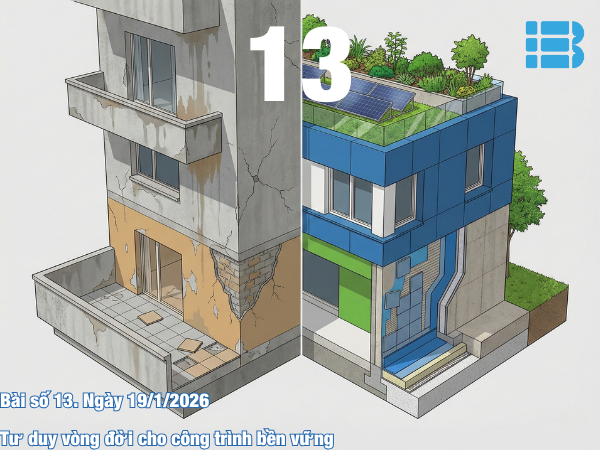
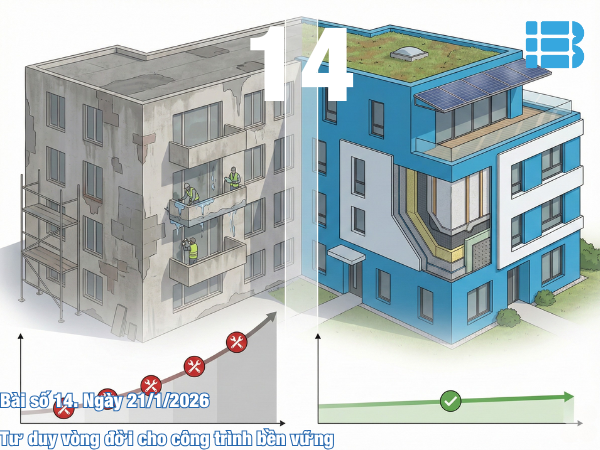
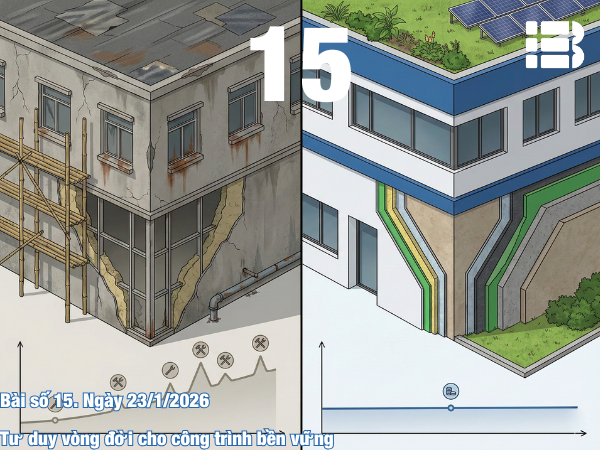
Genuine green building is based on system-level thinking, integrating sustainability across design, materials, construction, and operation. Greenwashing focuses on visible or marketable features while ignoring core performance factors.
5. Consequences of greenwashing
Greenwashing can lead to:
- Premature building deterioration and frequent repairs
- Resource waste and higher social costs
- Loss of trust among clients and partners
- Damage to the credibility of green building concepts
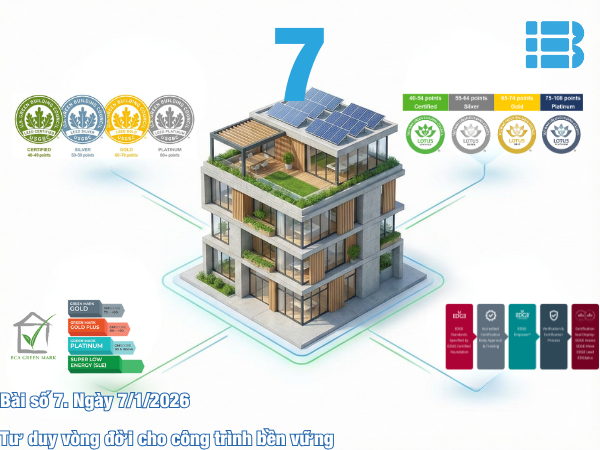
6. The role of criteria and certification in preventing greenwashing
Clear green building criteria and certification frameworks help limit greenwashing by providing objective benchmarks. However, certification is only effective when applied meaningfully rather than superficially.
7. How to avoid greenwashing in construction
Avoiding greenwashing requires:
- Proper understanding of green building principles
- Lifecycle-based decision-making
- Transparent technical information
- Prioritizing quality and durability over appearance
8. BUMATECH’s perspective
BUMATECH approaches green building through practical, performance-based solutions focusing on material quality, correct application, and long-term value instead of sustainability claims alone.
9. Conclusion
Greenwashing undermines genuine sustainability efforts in construction. Recognizing and avoiding it is essential to ensure green building delivers real environmental and social value.