How are waterproofing materials classified?
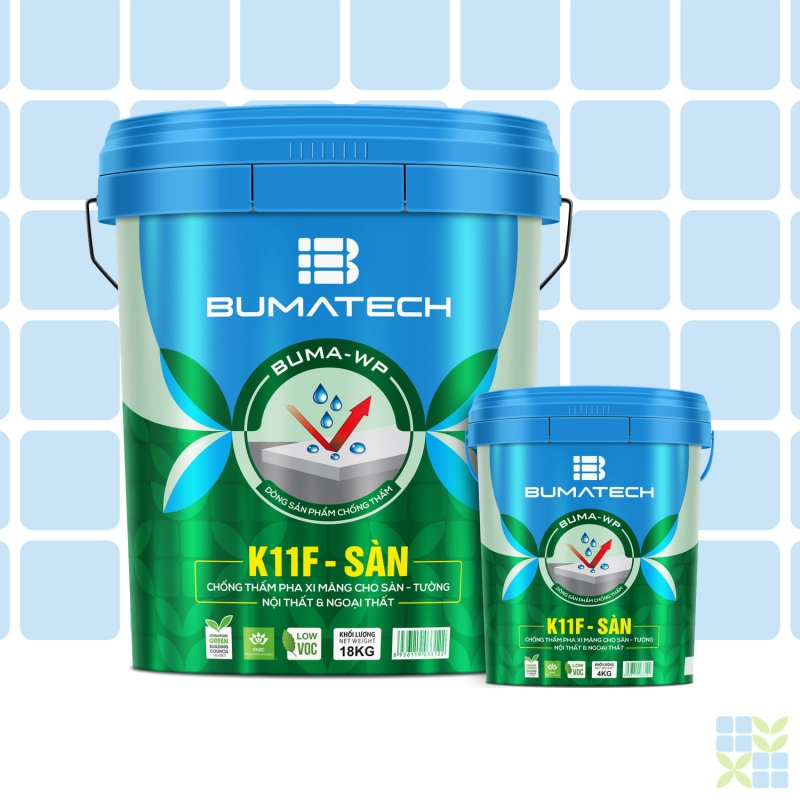
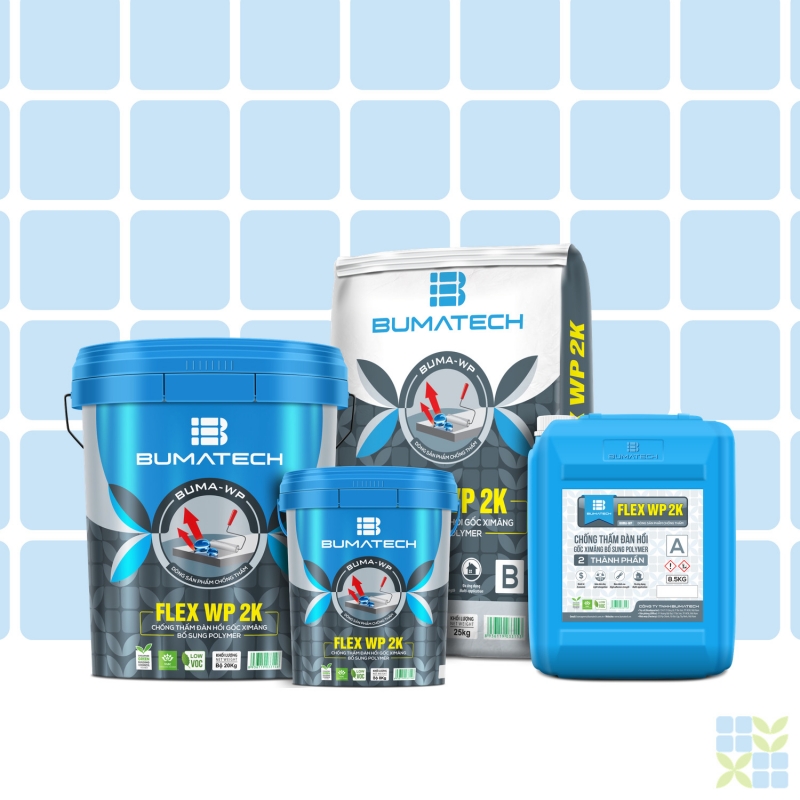
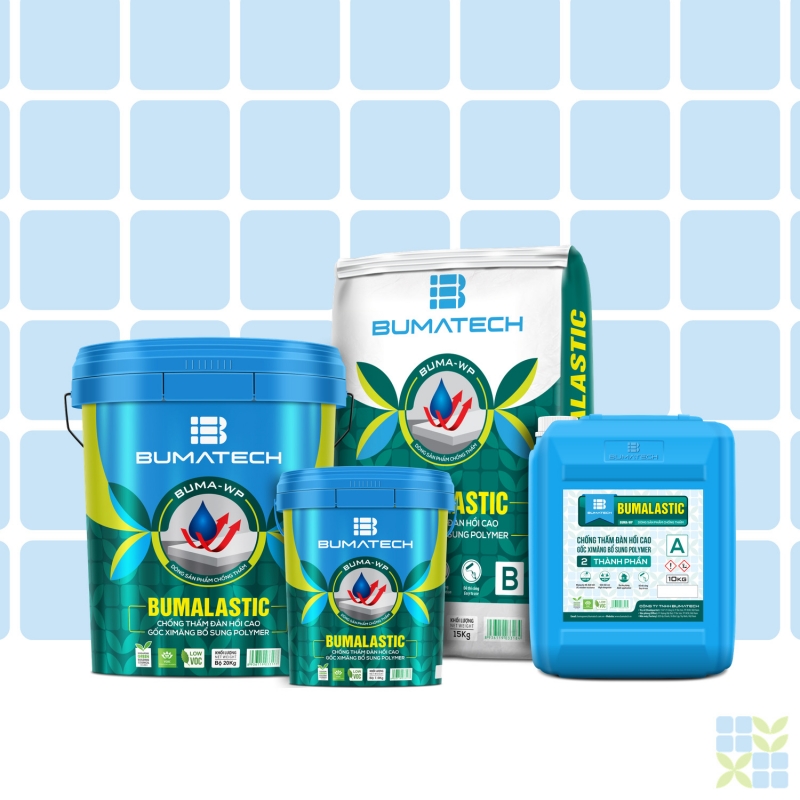
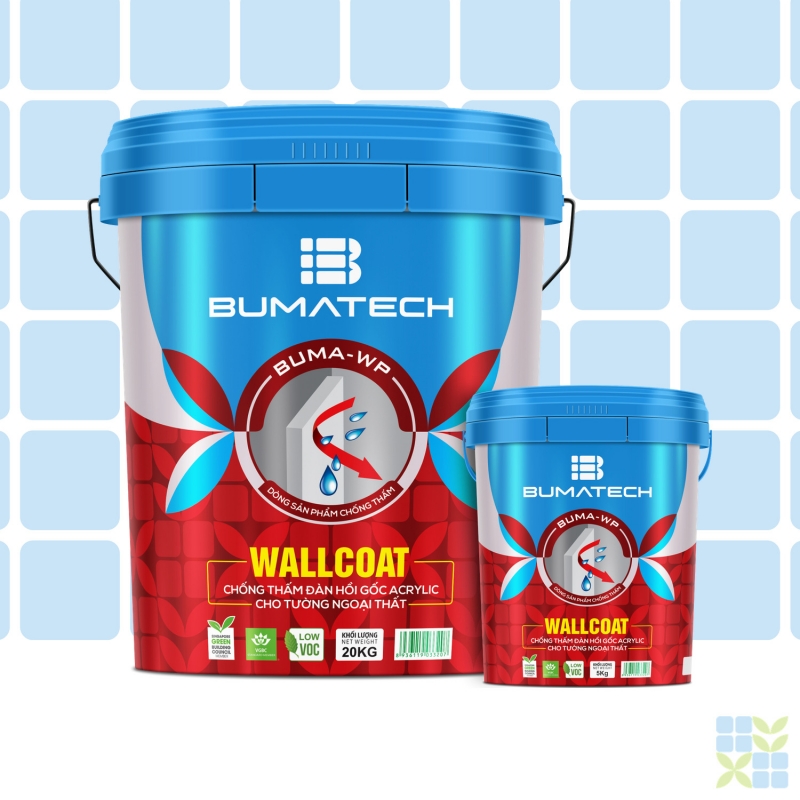
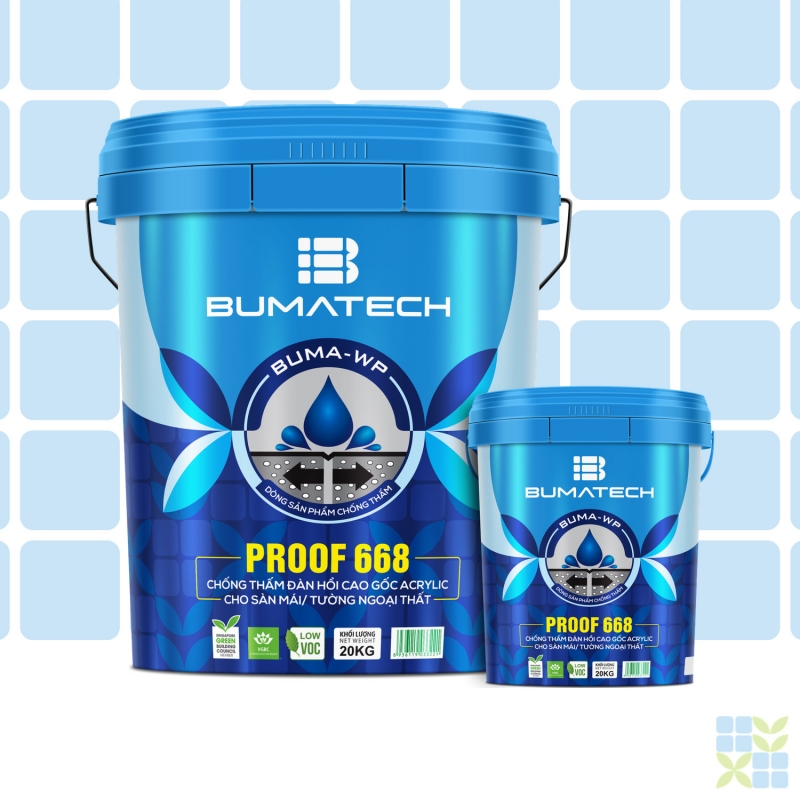
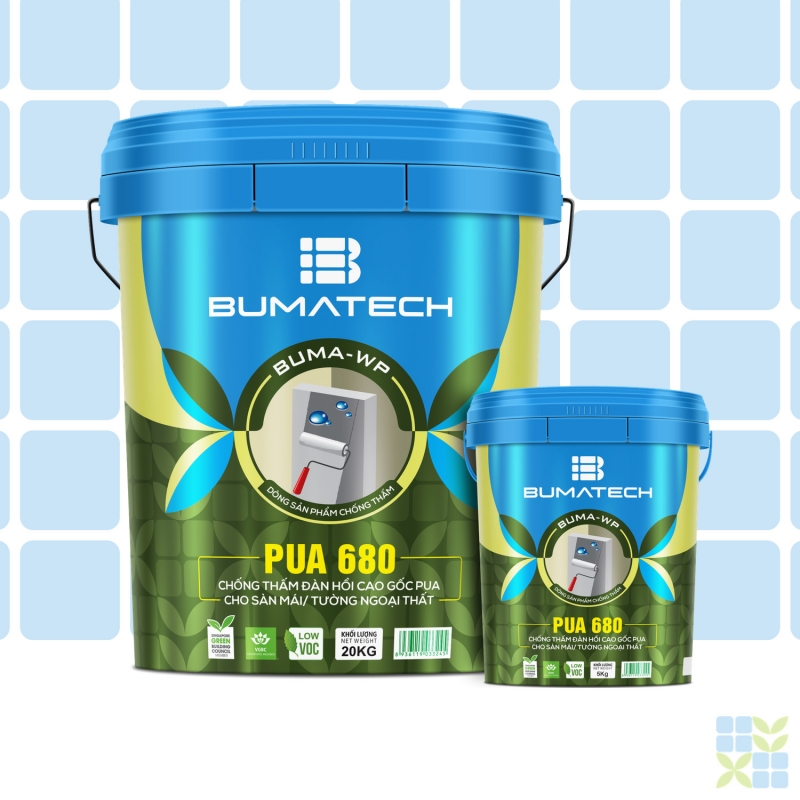
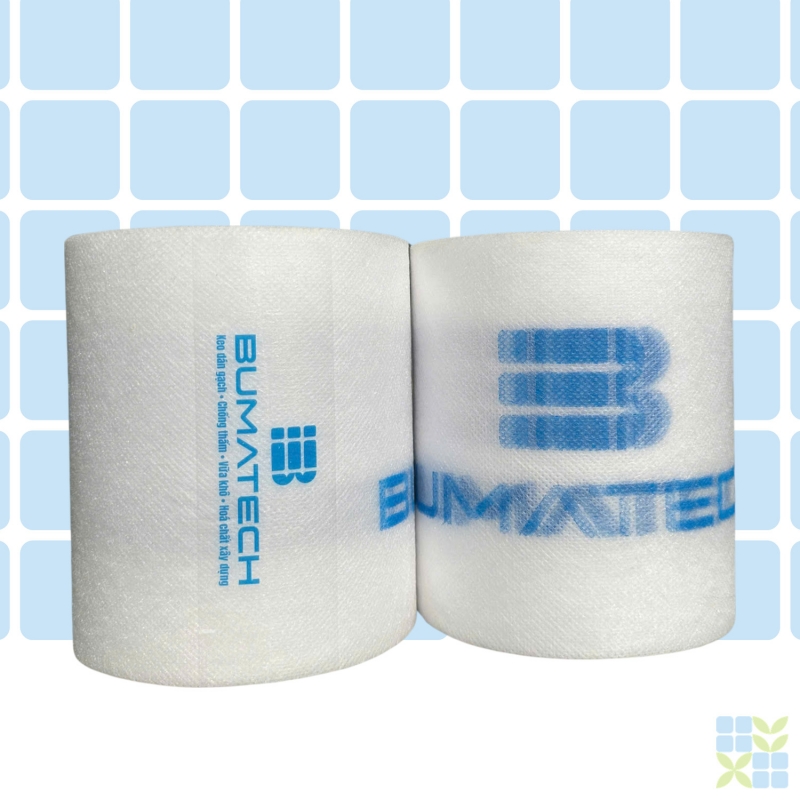
The most common classification is by binder: cementitious (one- or two-component such as K11, Flex WP 2K, BuMaLASTIC) with excellent adhesion and direct tile-over capability; acrylic (WALLCOAT, PROOF 668) highly elastic and UV-resistant for walls and roofs; and PU (PUA 680) with the highest elasticity and durability for exposed roof slabs. The system also includes primers (Primer W/F), reinforcing tape BuMaTAPE and mesh BuMaMESH.
What is the best waterproofing for rooftops and roof slabs?
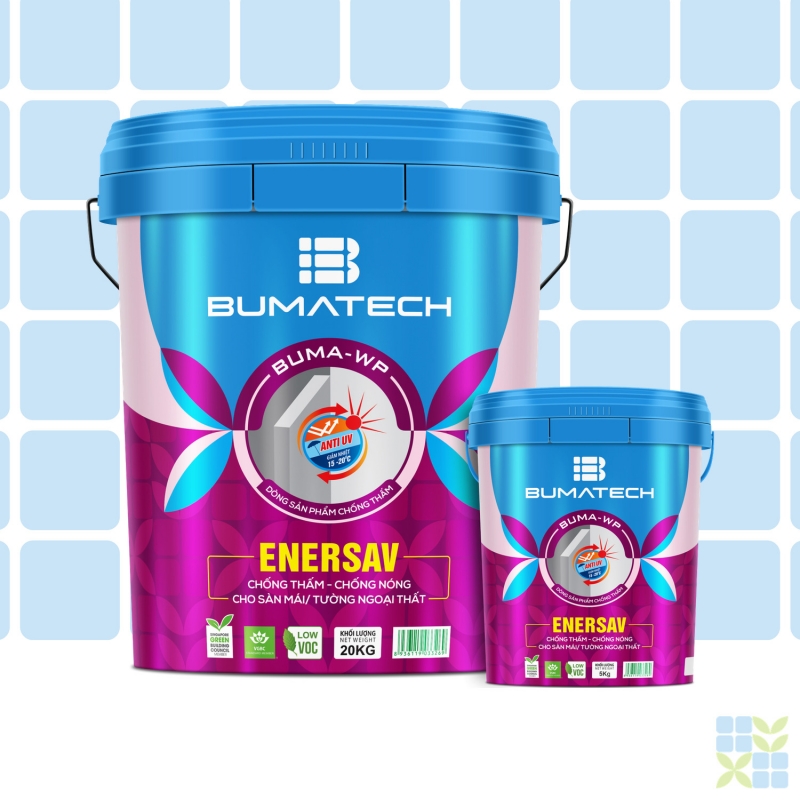
For roof slabs finished with tiles or a protective screed: use two-component elastic cementitious waterproofing BuMaLASTIC or Flex WP 2K. For exposed roofs without tiling: use UV-resistant, crack-bridging acrylic PROOF 668 or PU-based PUA 680. To add heat protection, use EnerSAV reflective waterproofing, which lowers surface temperature and cuts cooling energy.
How to properly waterproof bathrooms and balconies?
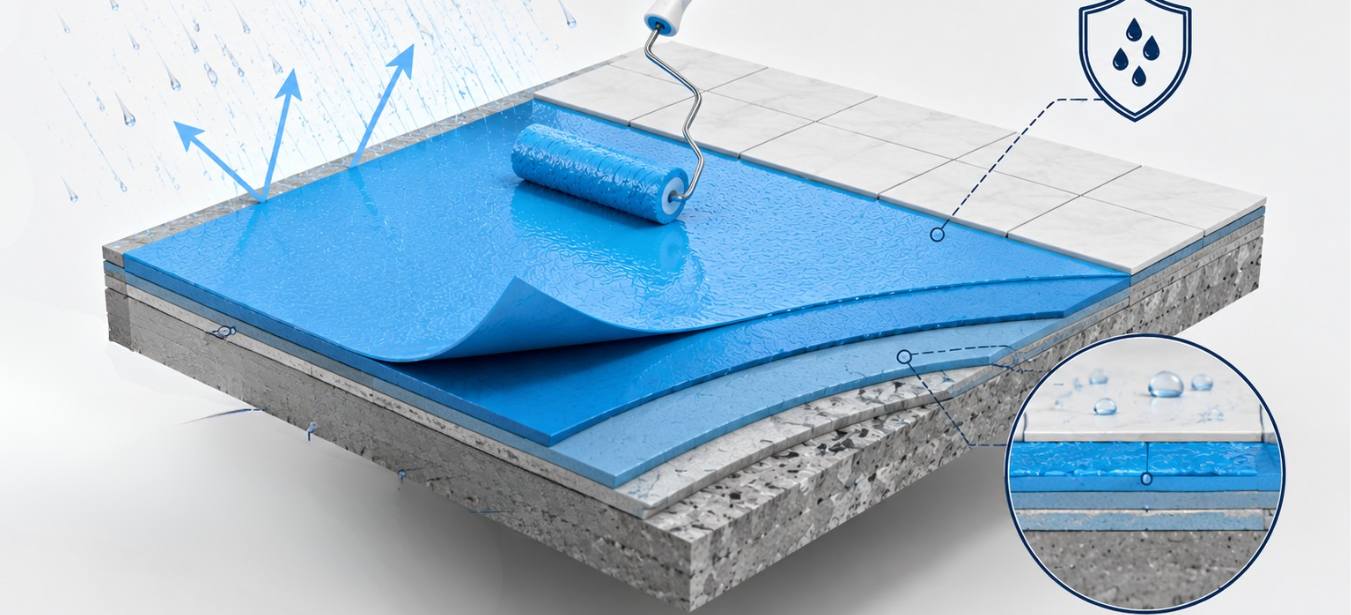
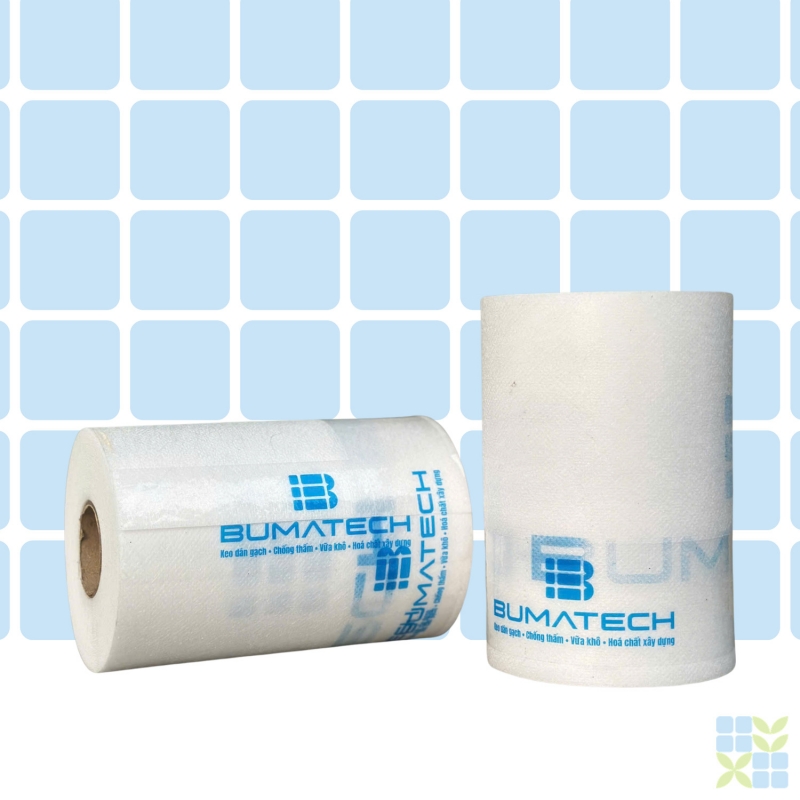
The standard sequence: clean the substrate, detail pipe penetrations and wall-floor junctions with BuMaTAPE elastic tape, prime if required, then apply 2 coats of elastic cementitious waterproofing (Flex WP 2K or BuMaLASTIC) at right angles to each other, extending at least 20–30cm up the walls. Once cured, tiles can be bonded directly onto the membrane with a suitable tile adhesive — no intermediate screed needed.
What should be used to waterproof exterior walls?
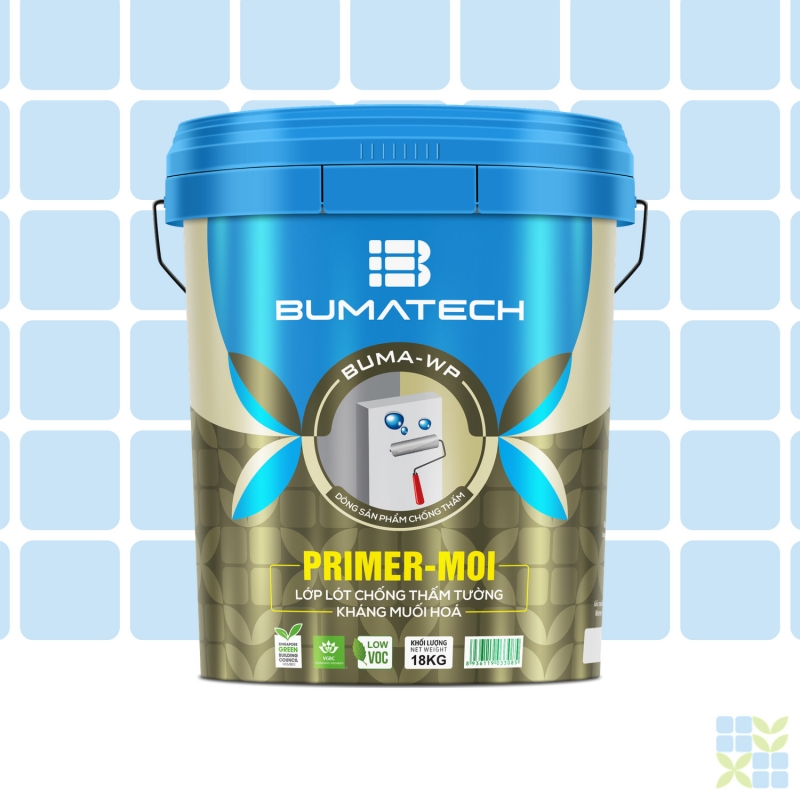
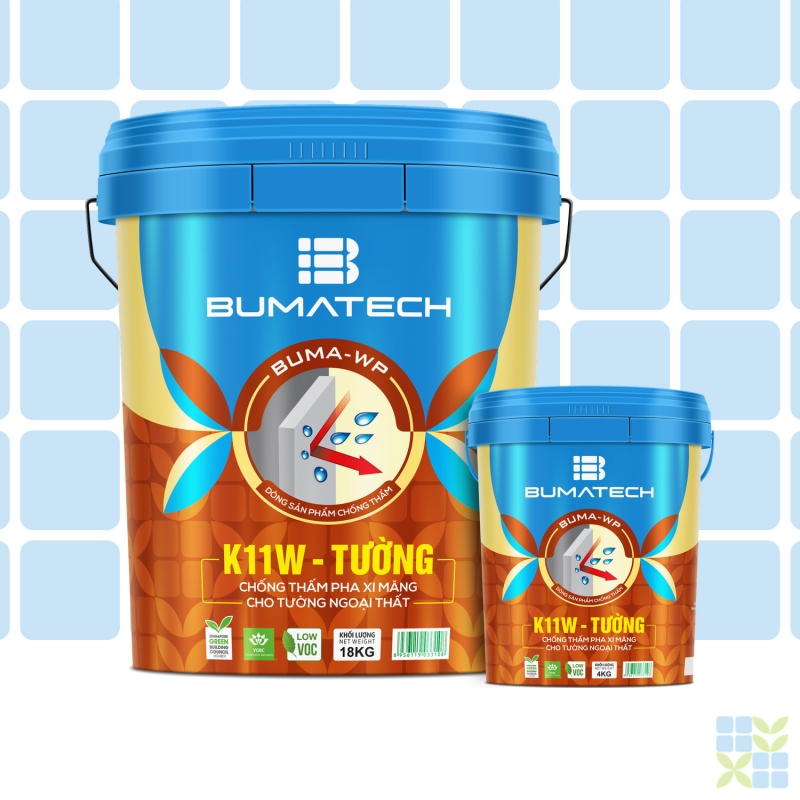
For exterior walls, use Primer W (or Primer MOI for damp, salt-affected walls) followed by cement-based K11 W or elastic acrylic WALLCOAT as the topcoat. On finished painted walls, transparent protective coatings BuMaSEAL S / S PLUS (silicone/siloxane based) create a lotus-leaf water-repellent effect, blocking driving rain while letting the wall breathe.
How many coats of waterproofing are needed and at what coverage?
The general rule: at least 2 coats applied perpendicular to each other, with total consumption around 1.5–2kg/m² depending on the product, allowing each coat to dry per the TDS (typically 2–6 hours) before the next. One thick coat cracks more easily and dries slower than two thin coats. Critical details (corners, pipe penetrations, construction joints) must be reinforced with BuMaTAPE or BuMaMESH before coating.
Is a primer needed before waterproofing?
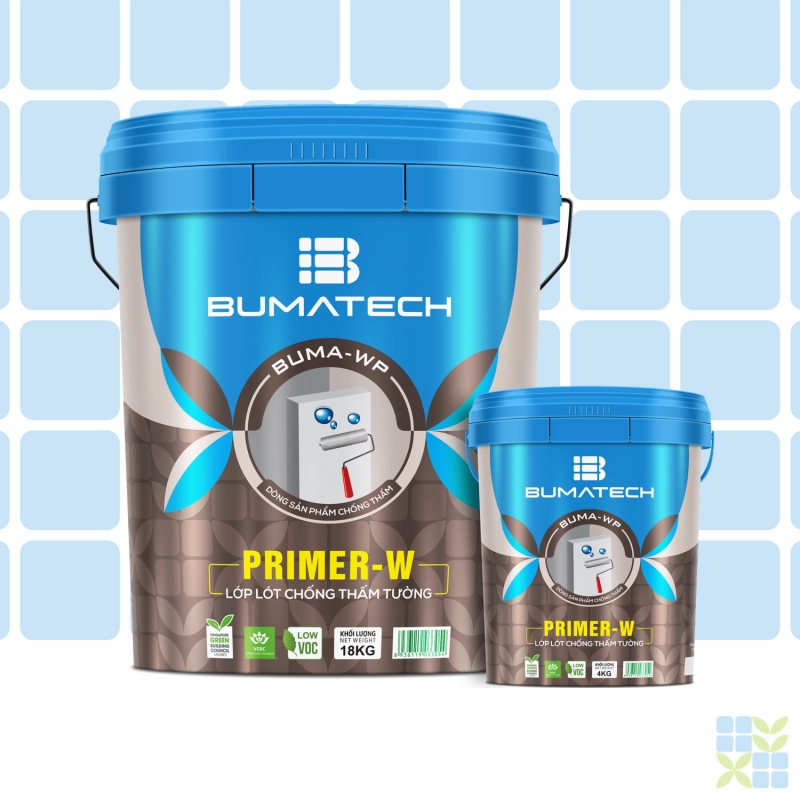
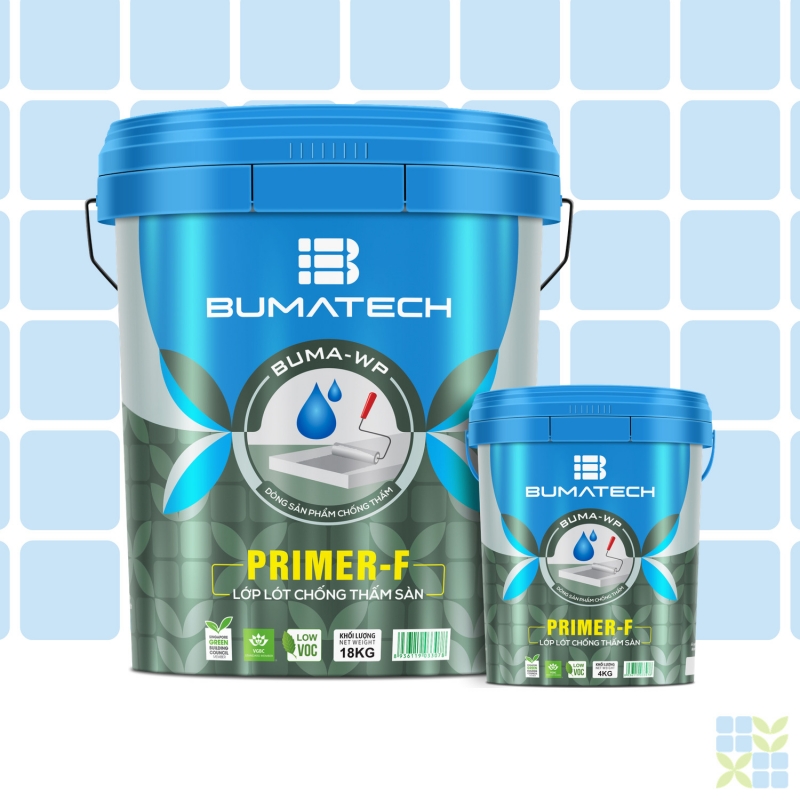
Yes, it is recommended. A primer stabilises the substrate, binds dust, reduces pinholes and improves membrane adhesion — especially on highly absorbent or old substrates. BUMATECH offers Primer W for walls, Primer F for floors, and Primer MOI specifically for damp, salt-contaminated walls. The primer is a small cost with a major impact on the waterproofing system's lifespan.
When are reinforcing mesh and elastic tape required?
They are mandatory wherever movement is expected: wall–floor junctions, pipe penetrations, expansion joints, construction joints and existing cracks. Embed BuMaTAPE elastic tape between the two waterproofing coats at corners and joints; use alkali-resistant glass-fibre mesh BuMaMESH 70/150 for full-surface reinforcement on weak substrates, extensive hairline cracking or large areas.
Is there a product that both waterproofs and reduces heat?
Yes — EnerSAV is a white, elastic acrylic waterproofing coating with heat-reflective performance: it forms a flexible, crack-bridging waterproof membrane while reflecting most solar radiation, lowering roof surface temperatures and reducing air-conditioning load and operational emissions. It is a popular solution for rooftops, concrete roofs and sun-exposed metal roofs.
Can tiles or screed be applied over the waterproofing layer?
Yes, depending on the type: cementitious membranes (K11, Flex WP 2K, BuMaLASTIC) accept direct tile bonding with tile adhesive once fully cured — BUMATECH offers adhesives specifically rated for cementitious, acrylic and PU waterproofing surfaces. Exposed acrylic and PU membranes can serve as the final finish; if tiling over them, a compatible adhesive must be selected per technical recommendations.