What is self-levelling compound?
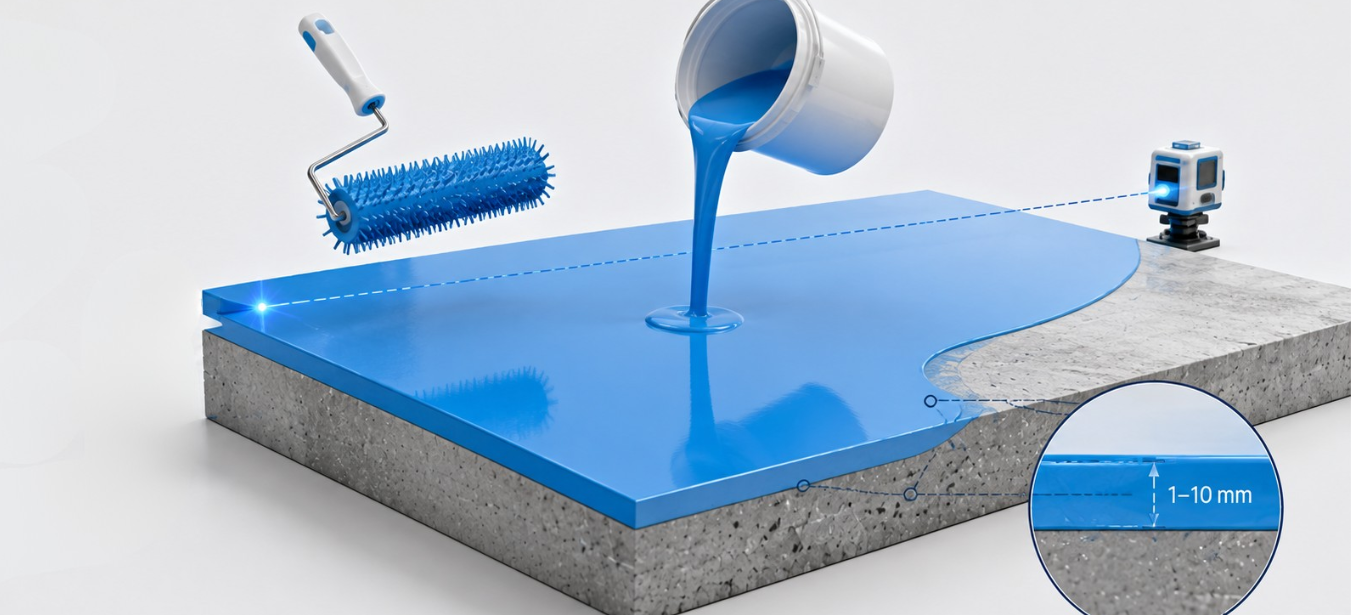
Self-levelling compound is a polymer-modified cementitious mortar that, when mixed with water, becomes highly flowable and spreads itself into a flat, smooth surface without screeding like traditional mortar. It is used to level substrates before installing wood, vinyl, carpet, epoxy or tile flooring — reducing installation errors and raising finish quality.
When should self-levelling compound be used?
Use it when a concrete slab is uneven or has local level differences and a flat surface is required for wood, vinyl or epoxy flooring; when renovating and raising floor levels quickly without heavy loading; or on fast-track schedules where floors must be ready for finishing early. On large projects it cuts screeding labour and delivers uniform quality across the whole slab.
What thickness can self-levelling compound be applied at?
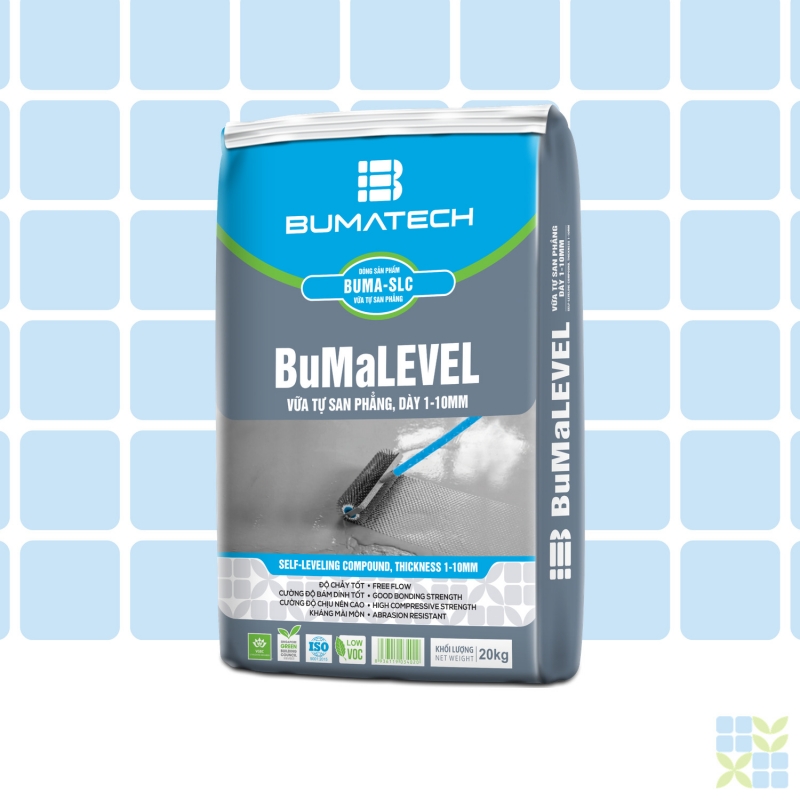
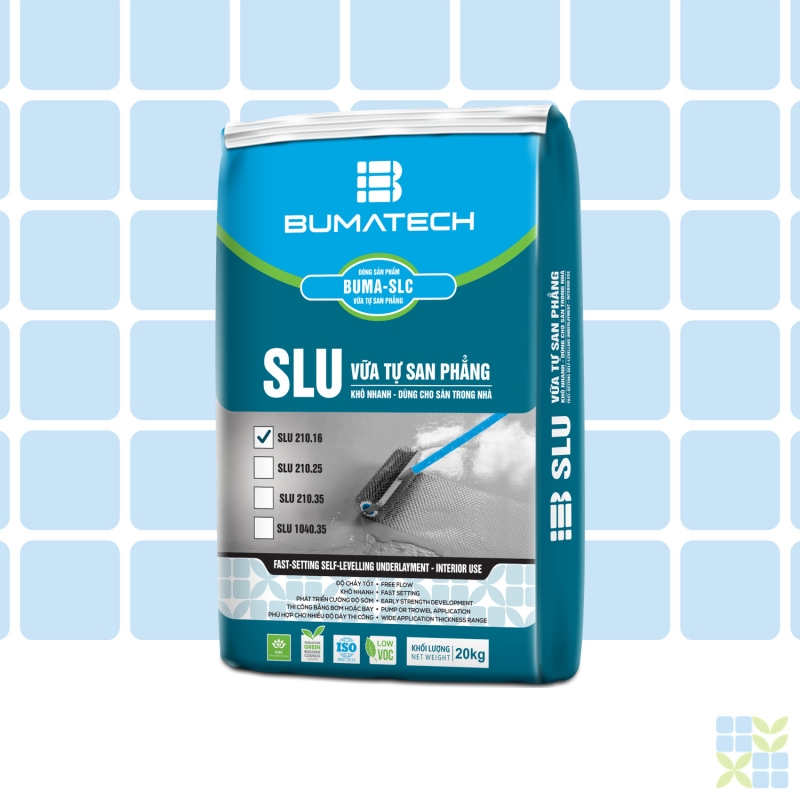
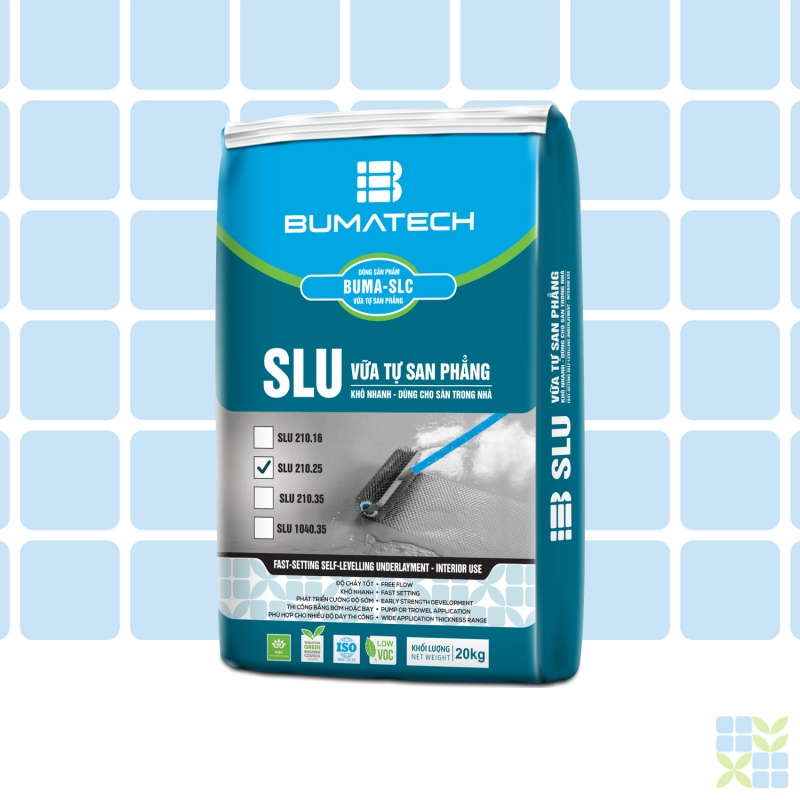
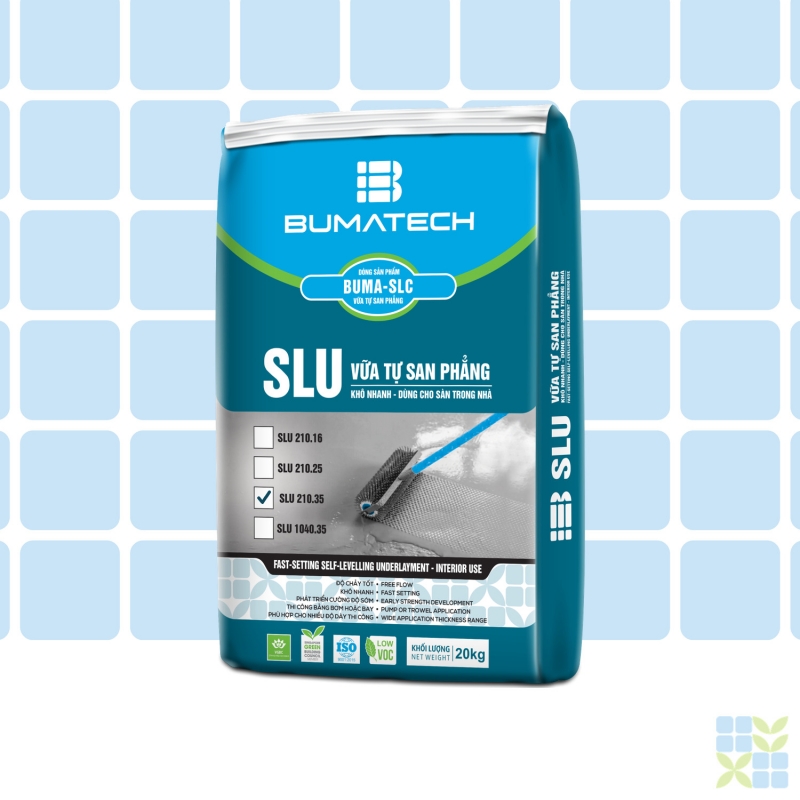
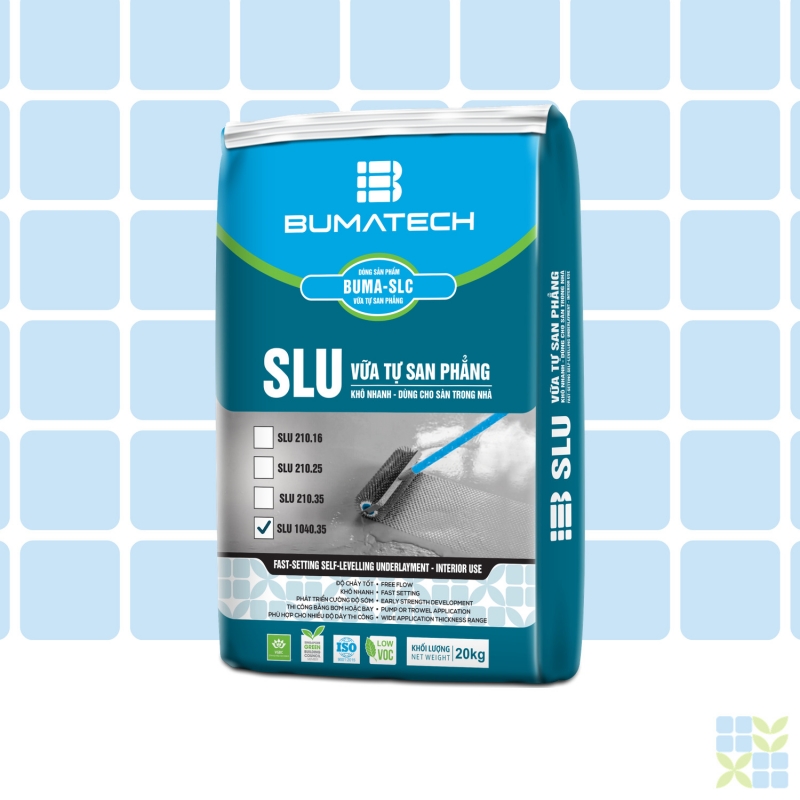
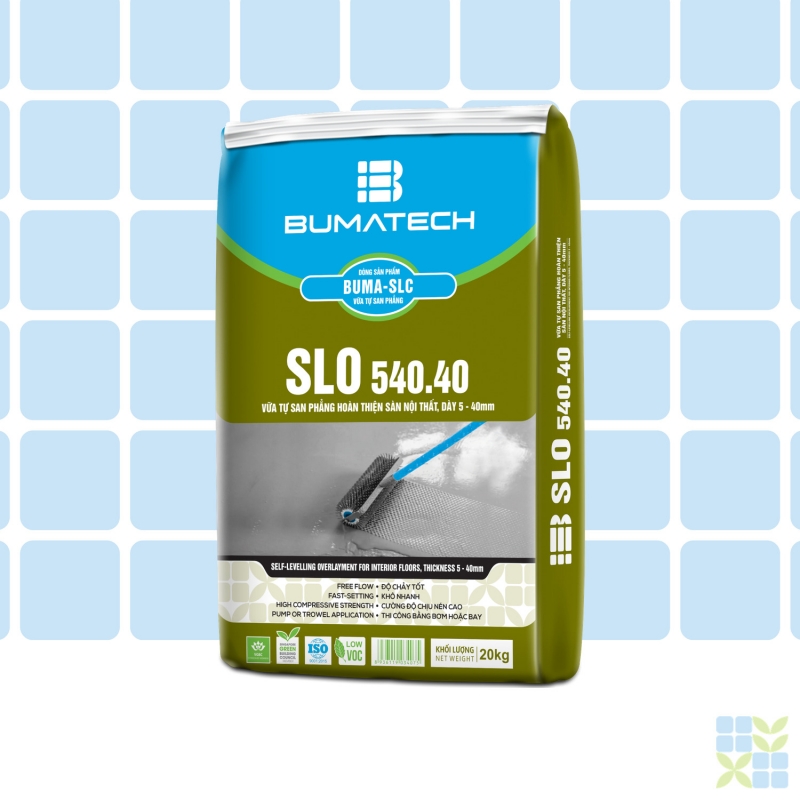
It depends on the grade: BuMaLEVEL applies at 1–10mm; the fast-drying SLU 210 series at 2–10mm; SLU 1040 for thick sections of 10–40mm; and SLO 540.40 for interior floor finishing at 5–40mm. For deeper level corrections, apply in layers or combine with a base screed before the final self-levelling coat.
Is a primer required before pouring self-levelling compound?
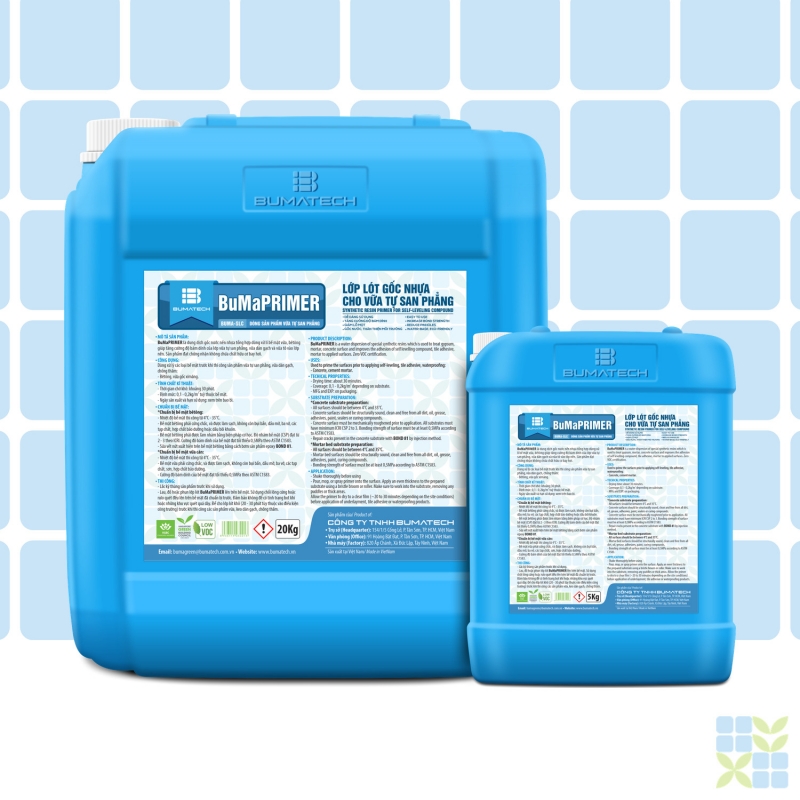
Yes — BuMaPRIMER is practically mandatory. The primer binds dust and reduces substrate absorption (the cause of pinholes, air bubbles and premature water loss that weakens the layer), while improving adhesion between compound and slab. Highly absorbent slabs need two primer coats. Skipping the primer is the most common cause of pinholed, debonding self-levelling floors.
How soon can the floor be walked on and covered after pouring?
With the fast-drying SLU series, light foot traffic is typically possible after 4–6 hours and floor coverings (vinyl, wood, epoxy) can be installed after 24–48 hours depending on thickness and ventilation. Standard grades need 24 hours for foot traffic and 3–7 days before covering. Always verify that surface moisture meets the flooring manufacturer's limit before installing the finish.
Is self-levelling compound the same as flowable grout?
No. Self-levelling compound is designed for large floor areas in thin layers, targeting flatness and a smooth surface ready for finishing. Non-shrink flowable grout (the BuMaFILL range) is a structural product for machine bases, column bases, void filling and anchor bolts — targeting high strength and zero shrinkage. Using one in place of the other will fail the technical requirements.
What is the consumption rate of self-levelling compound?
Average consumption is about 1.6–1.8kg of powder per m² per mm of thickness. A 5mm layer therefore needs roughly 8–9kg/m², meaning one 25kg bag covers approximately 2.8–3m². The flatter the substrate, the less material is used — survey levels with a laser and correct major high and low spots first.
Which floor finishes can go over self-levelling compound?
Almost all modern finishes: vinyl/SPC flooring, engineered wood, carpet, epoxy/PU coatings, tiles, and even exposed interior floors (SLO 540.40 grade). The smooth self-levelled surface prevents thin vinyl from telegraphing substrate defects — practically a mandatory requirement for glue-down vinyl in hospitals, schools and offices.
What tools and precautions does self-levelling installation need?
You need a slow-speed mixer, mixing buckets with accurate water dosing, spiked shoes, a gauge rake or smoother to set thickness, and a spiked roller to release air bubbles. Keep draughts out during placement and curing, dose water precisely (excess water causes segregation and strength loss), and pour in continuous strips so successive batches blend before skinning.