Nhập địa chỉ email của bạn dưới đây và chúng tôi sẽ gửi cho bạn một mật khẩu mới.
1. What is building durability?
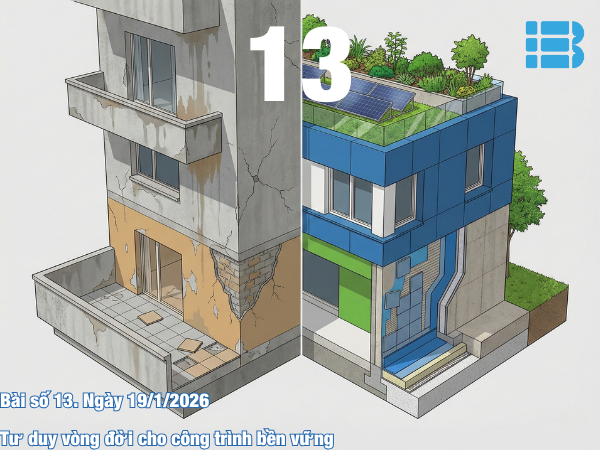
Building durability refers to a building’s ability to maintain functionality, safety, and quality throughout its intended lifecycle with minimal maintenance and repair. It determines whether a building delivers long-term value.
2. Why durability is a core sustainability criterion
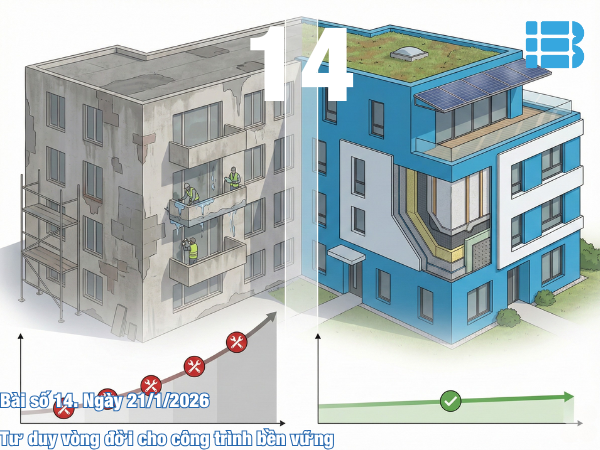
Buildings that deteriorate prematurely require frequent repairs, consuming additional materials, energy, and social resources. Durable buildings help:
- Reduce long-term resource consumption
- Lower indirect emissions from repairs and renovations
- Optimize lifecycle costs
Durability is therefore fundamental to genuine sustainability.
3. Why durability is often overlooked
Project decisions often prioritize initial cost and construction speed, while long-term durability is harder to visualize upfront. This leads to:
- Inappropriate material selection
- Incomplete compliance with construction techniques
- Lack of early maintenance planning
4. The relationship between durability, materials, and construction
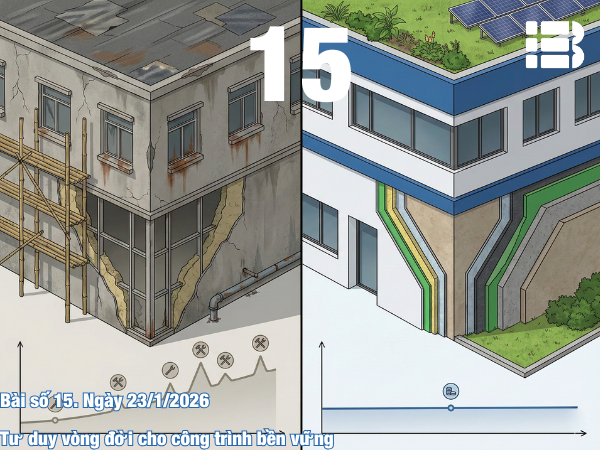
Durability is the result of integrated decisions—appropriate materials, correct application, and quality control. Weakness in any link can compromise overall building performance.
5. Durability and lifecycle performance
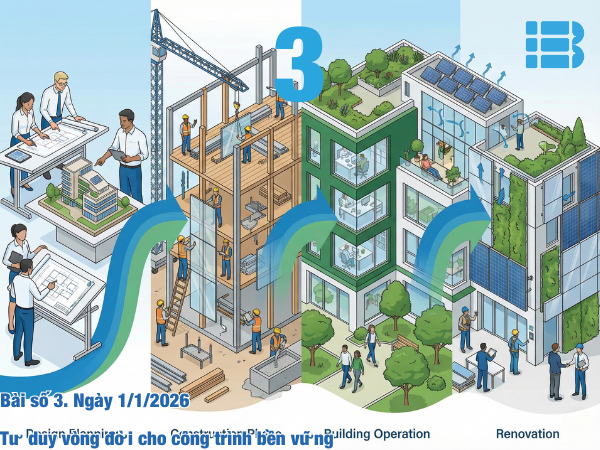
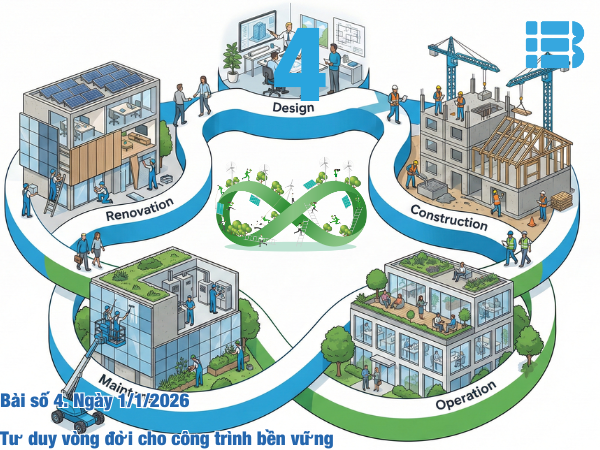
When durability is prioritized, buildings perform better throughout their lifecycle, from operation and maintenance to renovation. This forms the basis of lifecycle cost (LCC) thinking.
6. Durability in Vietnam’s construction context
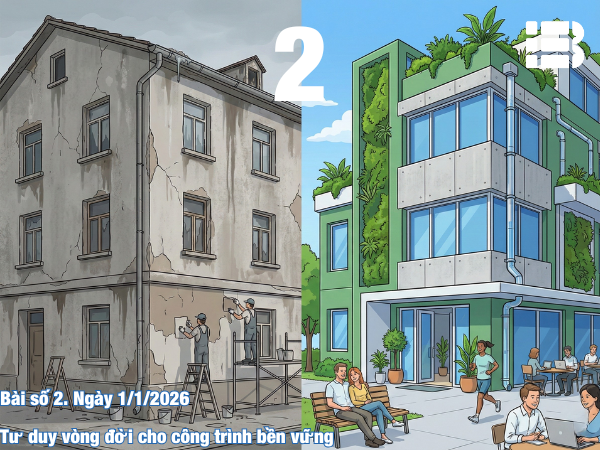
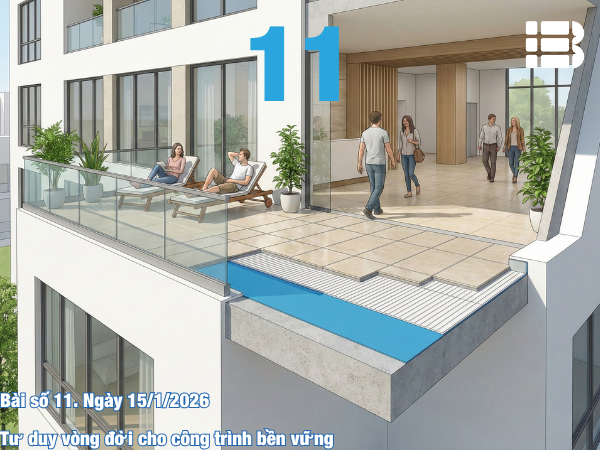
In Vietnam, issues such as leakage, cracking, and surface deterioration often appear early. Addressing durability from the outset reduces long-term resource waste and societal costs.
7. BUMATECH’s perspective
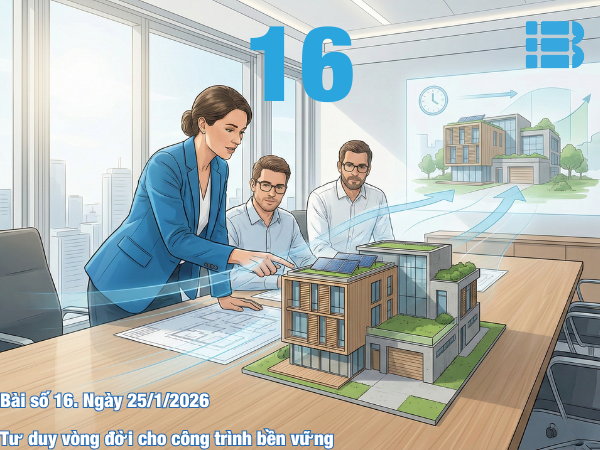
BUMATECH considers building durability a key indicator of sustainable construction. Materials, technical solutions, and application guidance are aligned to support long-term building performance.
8. Conclusion
Durability is not merely a technical concern but a strategic sustainability criterion. When properly prioritized, it delivers long-term economic, environmental, and social benefits.