Nhập địa chỉ email của bạn dưới đây và chúng tôi sẽ gửi cho bạn một mật khẩu mới.
1. Why “low cost” is so appealing
Budget pressure often pushes projects toward the lowest upfront cost. “Low cost” feels efficient, quick to approve, and schedule-friendly—but it usually represents short-term savings only.
2. Low cost versus true savings
Low cost is not the same as saving. True savings optimize total lifecycle cost, while low cost focuses solely on minimizing initial expenditure.
3. The hidden price of low-cost decisions
Low-cost choices often result in:
(1) Inappropriate or low-durability materials
(2) Compromised construction practices
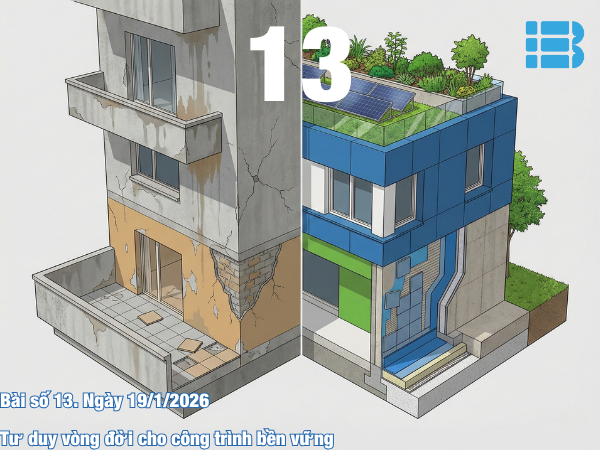
(3) Repeated repairs and hidden expenses
(4) Disruption and asset value loss
4. Low cost and building durability
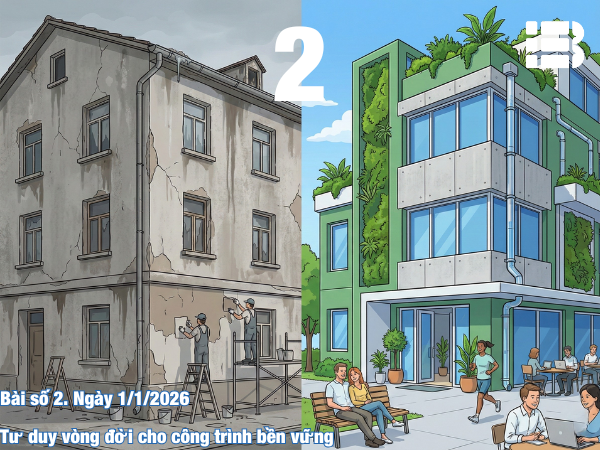
Durability is directly affected by low-cost decisions. When materials and workmanship are downgraded, buildings fail to reach their intended lifespan, increasing lifecycle costs and usage risks.
5. The low-cost mindset through a Life Cycle Cost (LCC) lens
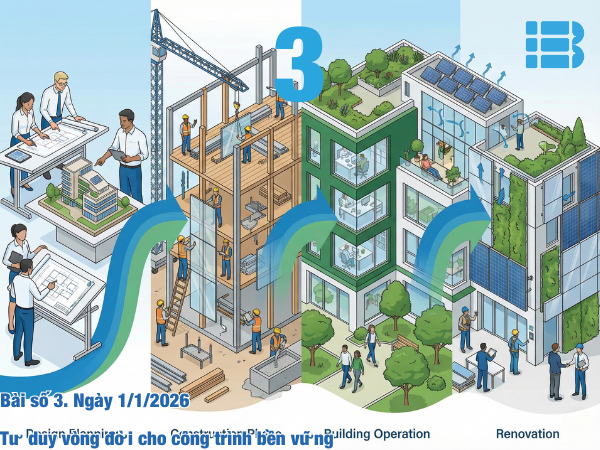
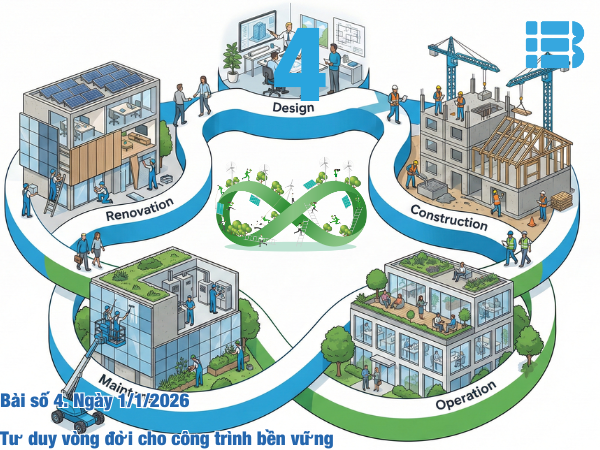
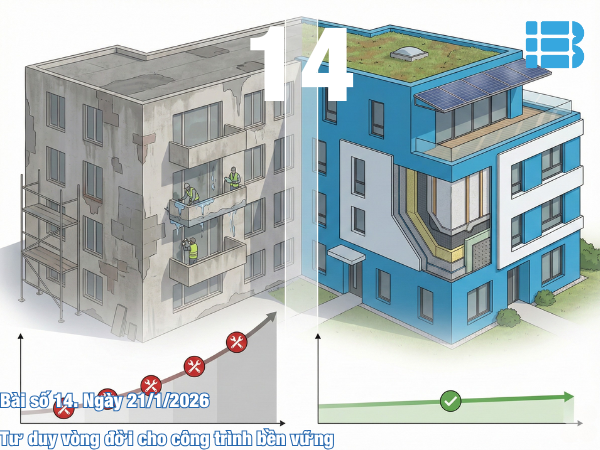
LCC analysis shows that:
Initial construction cost is only a fraction of total cost
Operation, maintenance, and repairs dominate long-term expenses
Thus, low upfront cost often leads to higher total cost.
6. Environmental and social impacts of low-cost construction
Frequent repairs and replacements cause:
(1) Resource waste
(2) Construction and demolition waste
(3) Indirect emissions
(4) Safety and quality-of-life impacts
All contradict sustainability goals.
7. When “reasonable cost” outperforms “low cost”
Reasonable cost balances upfront investment with long-term performance. Decisions based on fitness for purpose, durability, construction quality, and LCC deliver better sustainable value.
8. BUMATECH’s perspective
BUMATECH addresses cost decisions by optimizing durability and lifecycle value. Investing correctly from the start reduces repairs, minimizes waste, and delivers long-term economic efficiency.
9. Conclusion
Low-cost construction often carries a higher future price. Shifting from a low-cost mindset to lifecycle value thinking is essential for economically and environmentally sustainable buildings.