Nhập địa chỉ email của bạn dưới đây và chúng tôi sẽ gửi cho bạn một mật khẩu mới.
1. Leakage, cracking, and debonding as common defects
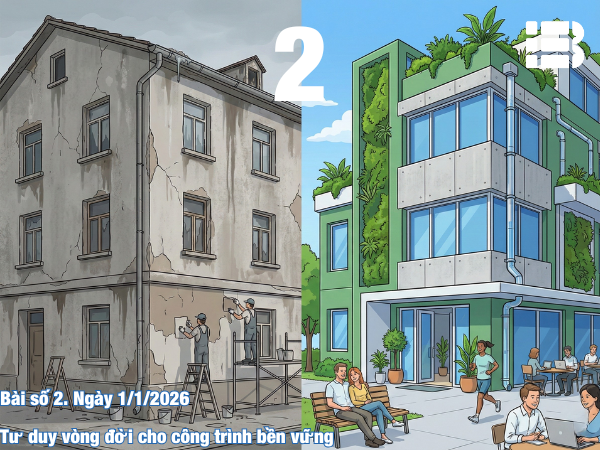
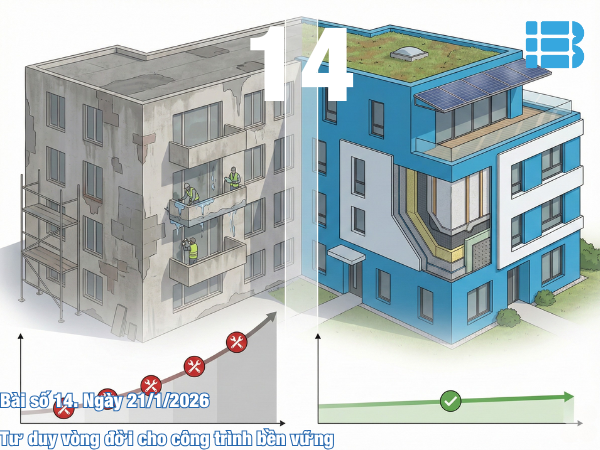
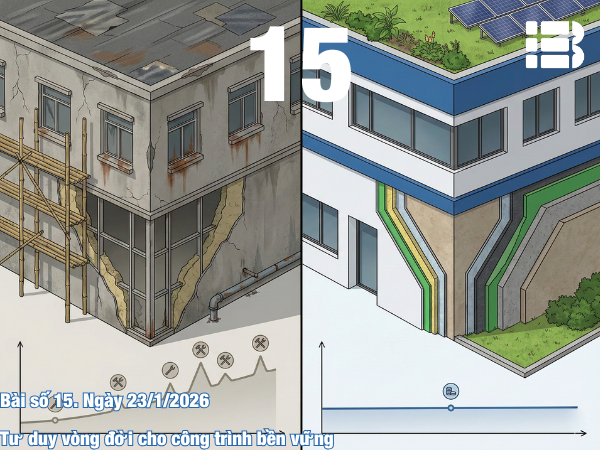
In many buildings, issues such as water leakage, surface cracking, and debonding appear shortly after completion. These are often treated as minor defects, yet they reveal deeper durability and sustainability problems.
2. Why this is a misunderstood sustainability problem
These defects are frequently addressed through localized repairs rather than systemic evaluation. This short-term approach results in repeated repairs, higher resource consumption, and increased long-term costs.
3. Root causes of leakage, cracking, and debonding
Common underlying causes include:
(1) Inappropriate material selection
(2) Improper construction practices
(3) Insufficient waterproofing and movement control
(4) Failure to consider lifecycle impacts
4. Sustainability impacts of recurring defects
Such failures lead to:
(1) Increased material replacement
(2) Construction waste generation
(3) Disruption to building use
(4) Reduced asset lifespan
All of these contradict sustainability objectives.
5. Defect repair versus sustainable solutions
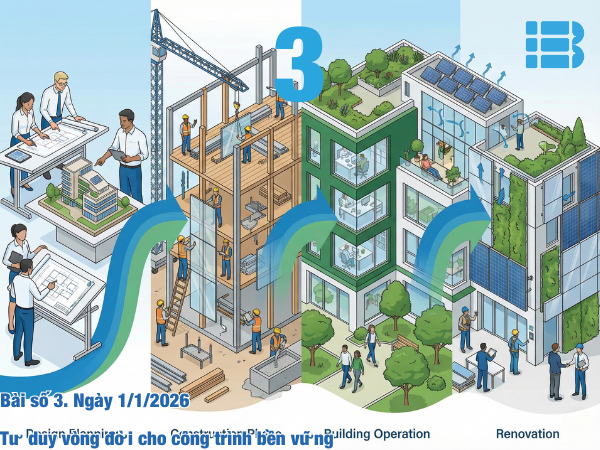
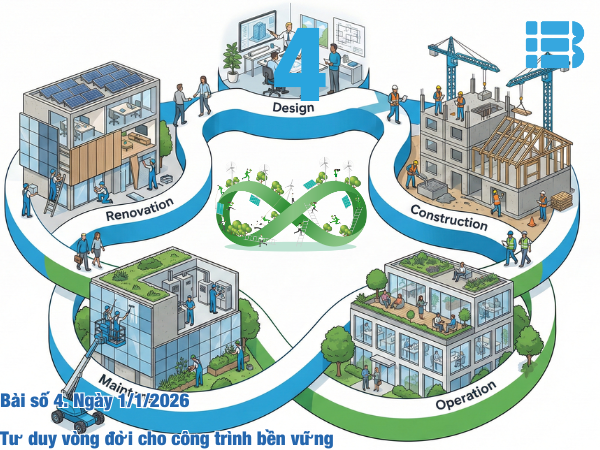
Repair-focused approaches address symptoms only. Sustainable solutions require system-level thinking across design, materials, construction, and maintenance.
6. The role of finishing and waterproofing materials
Finishing and waterproofing materials are critical in preventing leakage, cracking, and debonding. When properly selected and applied, they protect structural elements and extend building life.
7. Lessons for sustainable construction
Preventing these defects requires shifting from “fixing problems” to “doing it right from the start”—a core principle of sustainable construction.
8. BUMATECH’s perspective
BUMATECH treats leakage, cracking, and debonding as indicators of systemic construction quality. Sustainable solutions begin with appropriate materials, correct application, and long-term thinking.
9. Conclusion
Leakage, cracking, and debonding are not minor issues but clear signs of flawed sustainability approaches. Recognizing their root causes is essential to delivering durable and responsible buildings.