Nhập địa chỉ email của bạn dưới đây và chúng tôi sẽ gửi cho bạn một mật khẩu mới.
1. Where do construction carbon emissions come from?
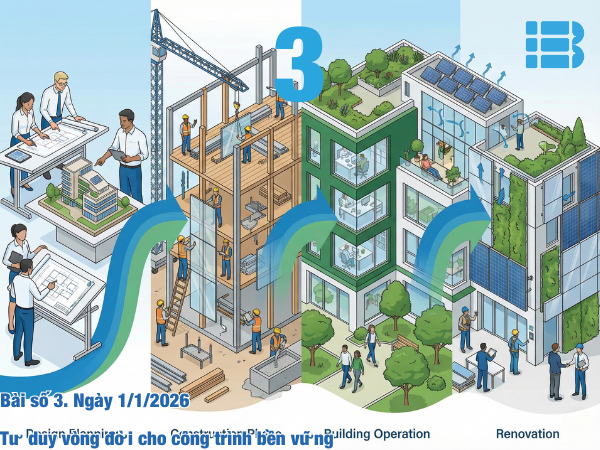
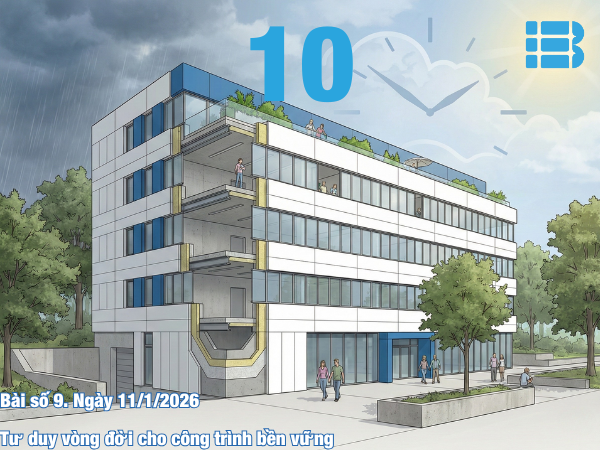
Construction emissions include material production, transportation, execution, operation, and repairs or demolition across the building lifecycle.
2. Materials are only part of the equation
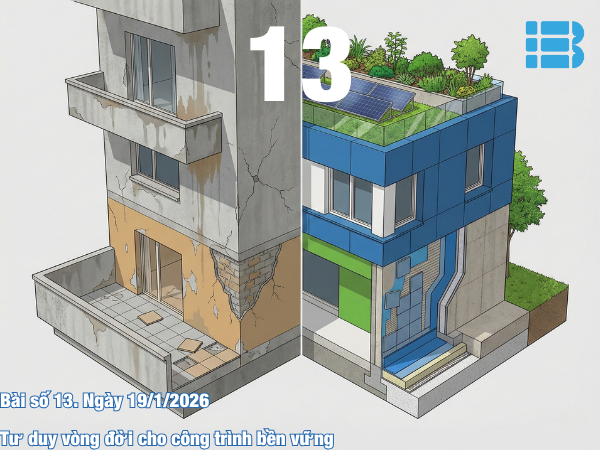
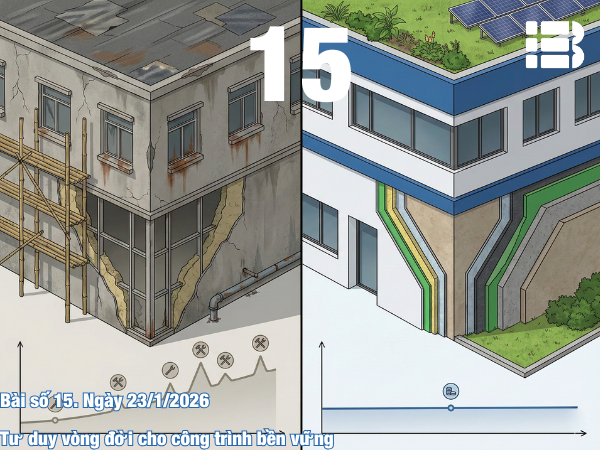
While materials contribute significantly, frequent repairs and replacements generate substantial indirect emissions that are often overlooked.
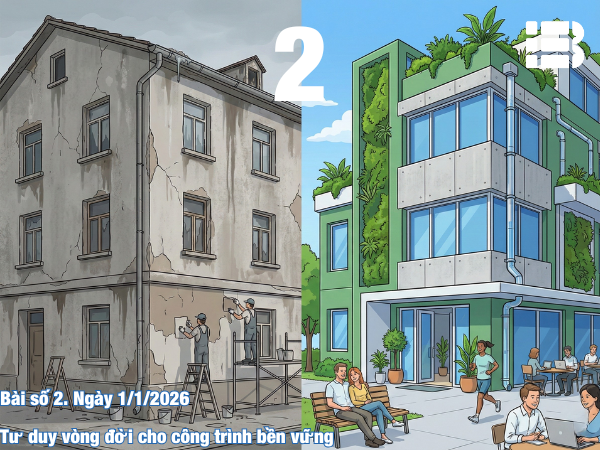
3. Frequent repairs mean higher emissions
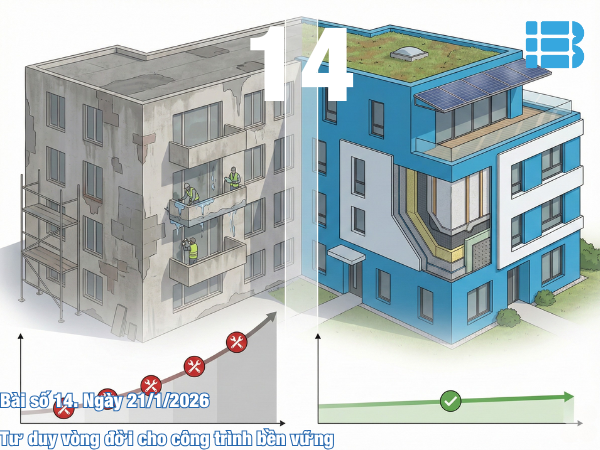
Each repair involves new materials, transport, labor, and waste adding avoidable carbon emissions over time.
4. Durability and carbon reduction
Durable buildings last longer and require fewer interventions, resulting in lower cumulative emissions.
5. Proper construction reduces carbon
Correct application ensures materials perform as intended. Poor workmanship causes early failures and unnecessary carbon emissions.
6. Carbon and Life Cycle Cost (LCC)
Lower lifecycle cost often aligns with lower carbon emissions, as both benefit from reduced maintenance and replacement.
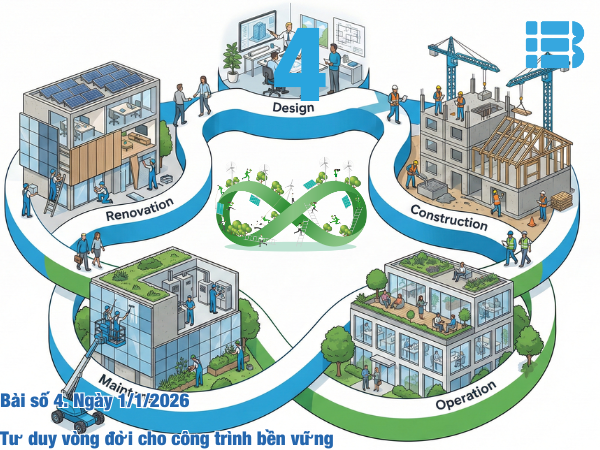
7. Lifecycle-based carbon assessment
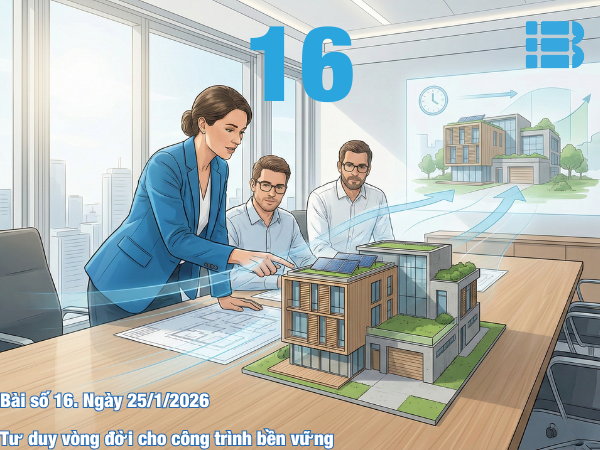
Lifecycle thinking reveals long-term carbon impacts of early design, material, and construction decisions.
8. BUMATECH’s perspective
BUMATECH reduces carbon through durability-focused solutions appropriate materials, correct application, and risk governance.
9. Conclusion
Reducing construction carbon is not just about green materials, but about building durable structures that last longer with fewer repairs.